Virginia’s distilling story spans more than 400 years, shaped by agriculture, ingenuity and the people behind the stills. From early corn spirits to today’s diverse distilleries, it’s a history of traditions taking root, production interrupted and makers working together to move the industry forward. These milestones trace how Virginia spirits became what they are today, with new chapters still unfolding.
Virginia Colonist George Thorpe distills the first batch of American whiskey at Berkeley Plantation, an estate situated along the banks of the James River, modernly known as Charles City. Establishing Virginia as the Birthplace of American Spirits, Thorpe documents his accomplishment in a letter to John Smyth dated December 19, 1620.
George Washington's distillery at Mount Vernon produces nearly 11,000 gallons, making it one of the largest whiskey distilleries in America at the time.
Scottish and Irish immigrants bring to America their recipes for “uisce beatha,” (Gaelic for “water of life”). The settlers make their whiskey without aging it, laying the groundwork for the same recipe that would become traditional in the Appalachian area.
More than 3,600 Virginia distilleries are operating in the state alone, according to census records. In a country of 7 million people, distilleries are becoming very common in early America.
The Civil War witnesses the destruction of many distilleries in the South. At the same time, the Confederacy passes prohibition laws, forcing southerners to give their whiskey up so that it could be used for medicinal purposes in the Confederate Army.
The Prohibition Era begins with the implementation of the 18th Amendment, which bans the production, sale and import of alcoholic beverages. Although this amendment was repealed 13 years later, the consequences of this law – including increased violence and organized crime, financial loss and more – would continue to challenge the spirits industry for decades to follow.
A. Smith Bowman establishes its post-Prohibition distillery. The Bowman family builds its distillery at Sunset Hills Farm in Fairfax County.
Belmont Farm opens in Culpeper. Chuck Miller founds a farm-based distillery recognized as one of America’s early craft distilleries.
Mount Vernon’s reconstructed distillery opens to visitors. Archaeological and historical research brings the working distillery back to life on its original site.
Catoctin Creek is founded. Becky and Scott Harris establish Loudoun County’s first legal distillery since before Prohibition.
Virginia allows scheduled spirits tastings at ABC stores, including qualifying distillery stores, opening new opportunities for visitors to sample Virginia-made spirits where they’re produced. Mount Vernon hosts a public whiskey tasting on July 1, marking an important step toward today’s distillery tasting experiences.
George Washington’s Rye Whiskey made at Mount Vernon’s reconstructed distillery was named the official state spirit of the Commonwealth of Virginia.
Senate Bill 424 brings in a New Era for Virginia Spirits by increasing the amount of spirits qualifying Virginia distilleries may sell and serve for onsite consumption from three to six ounces per guest, per day.
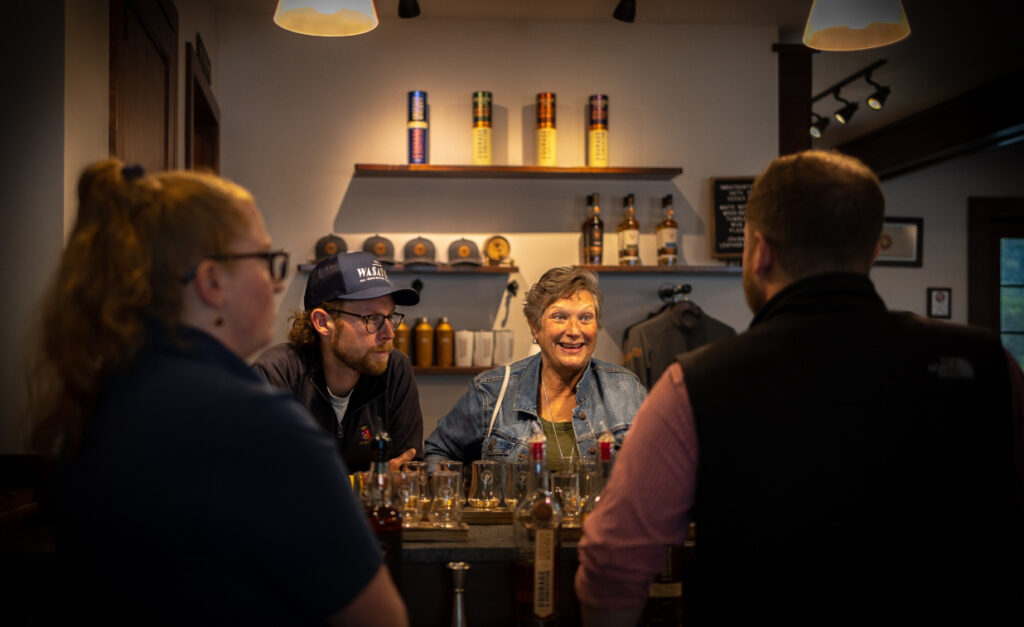
From bourbon and whiskey to vodka, gin, rum, and moonshine, Virginia’s distilleries embody the commonwealth’s rich diversity and creative spirit. More than places to taste, they’re places to connect — where visitors can tour working stills, enjoy handcrafted cocktails, and meet the makers behind each bottle. Whether you’re a seasoned enthusiast or simply curious, every visit offers a chance to discover the craftsmanship, community, and tradition that make Virginia spirits truly one of a kind.
Virginia’s spirits story is shaped by people who build, advocate and bring others together. From opening doors for distillers to exploring the potential of heritage grains, meet some of the people whose work has helped the industry grow and continues to shape its future.
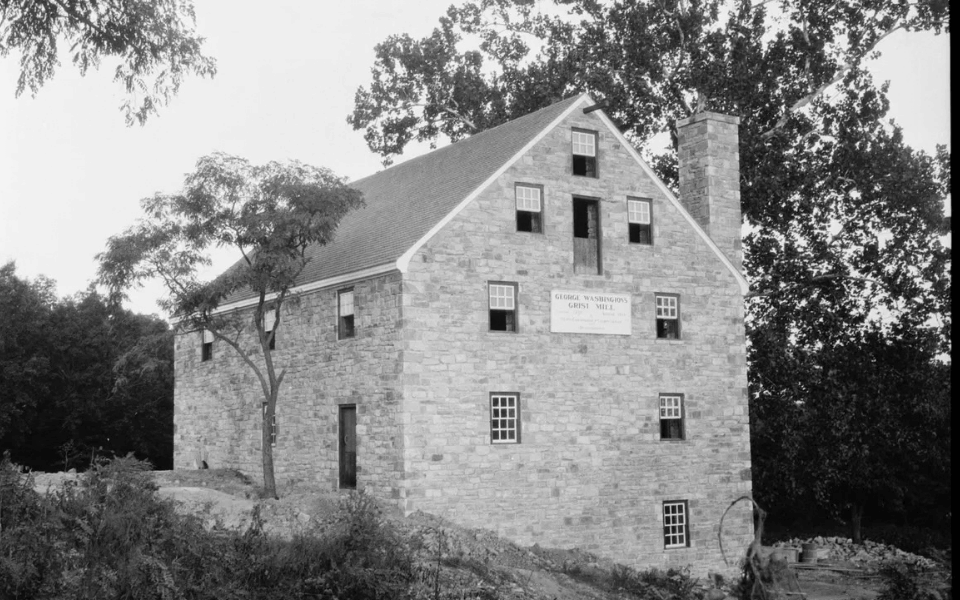
Hanson, Peter, Nat, Daniel, James and Timothy were the six enslaved distillers whose labor powered George Washington’s distillery at Mount Vernon. In 1799, the operation produced nearly 11,000 gallons of whiskey. Recognizing these men by name acknowledges their essential role and the conditions of enslavement under which they worked.
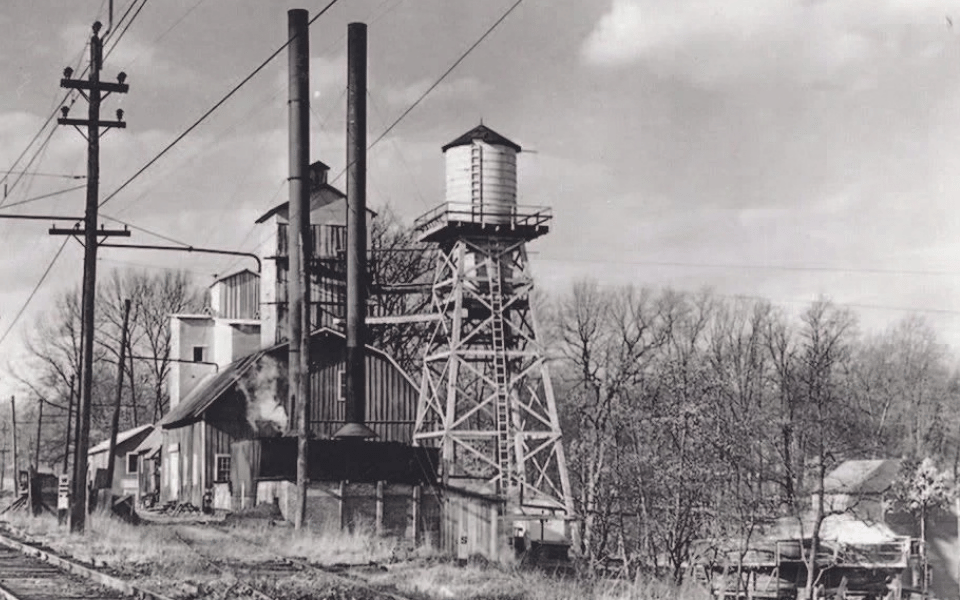
In 1934, A. Smith Bowman and his sons established their post-Prohibition distillery at Sunset Hills Farm in Fairfax County. Their work forms an important chapter in Virginia’s return to legal spirits production, connecting a family distilling tradition with the industry’s rebuilding.
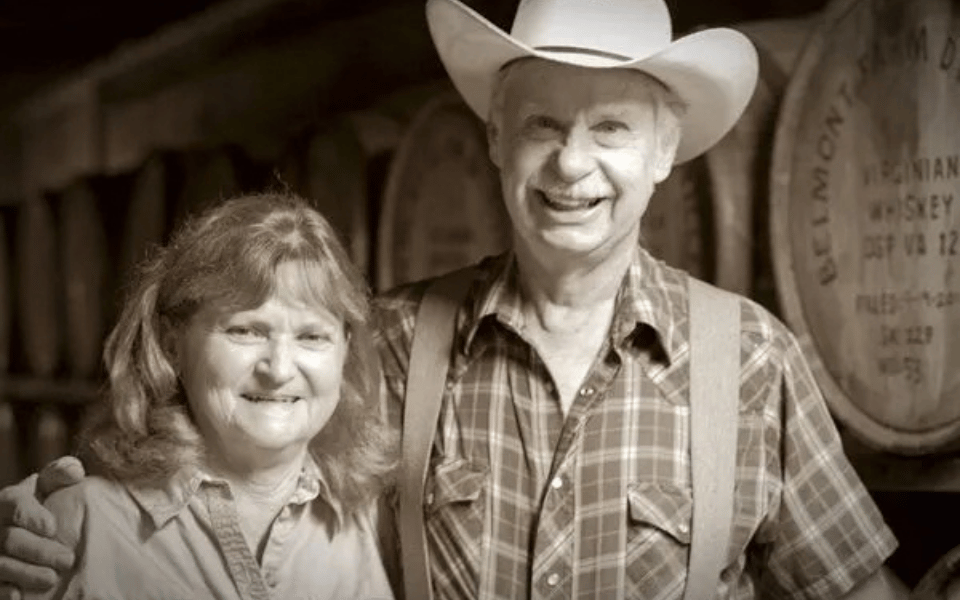
As owners of Belmont Farm Distillery, Chuck and Jeanette Miller helped advocate for changes allowing Virginia distillers to sell bottles and offer tastings onsite. Their efforts helped producers connect directly with visitors, giving people the opportunity to discover spirits and purchase them where they’re made.
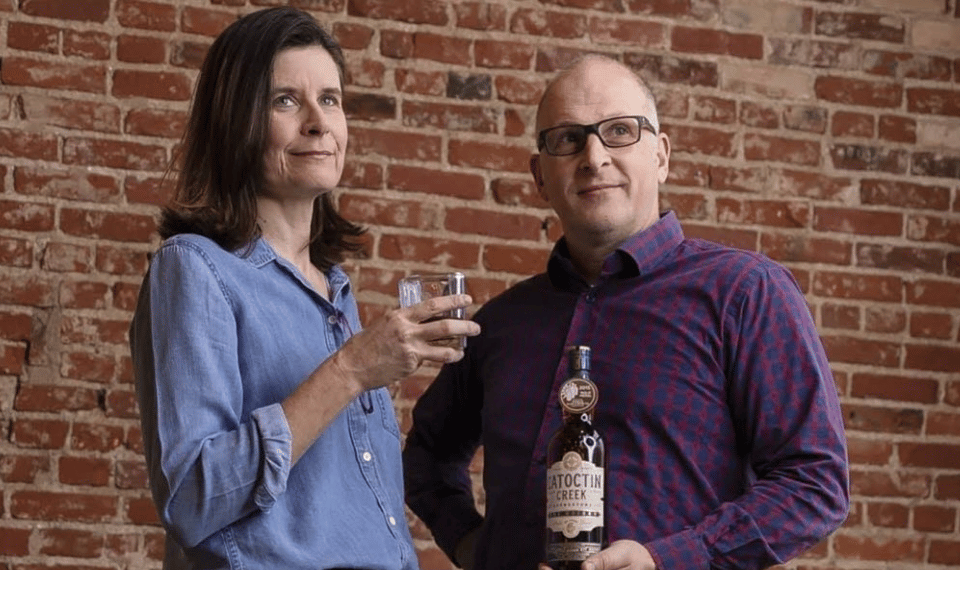
Becky and Scott Harris co-founded Catoctin Creek in 2009, establishing Loudoun County’s first legal distillery since before Prohibition. Their contributions extend beyond their own business: Becky serves as president of the Virginia Distillers Association, advocating for fellow producers, while Scott chairs the Virginia Spirits Board, supporting statewide research, education and promotion of Virginia-made spirits.
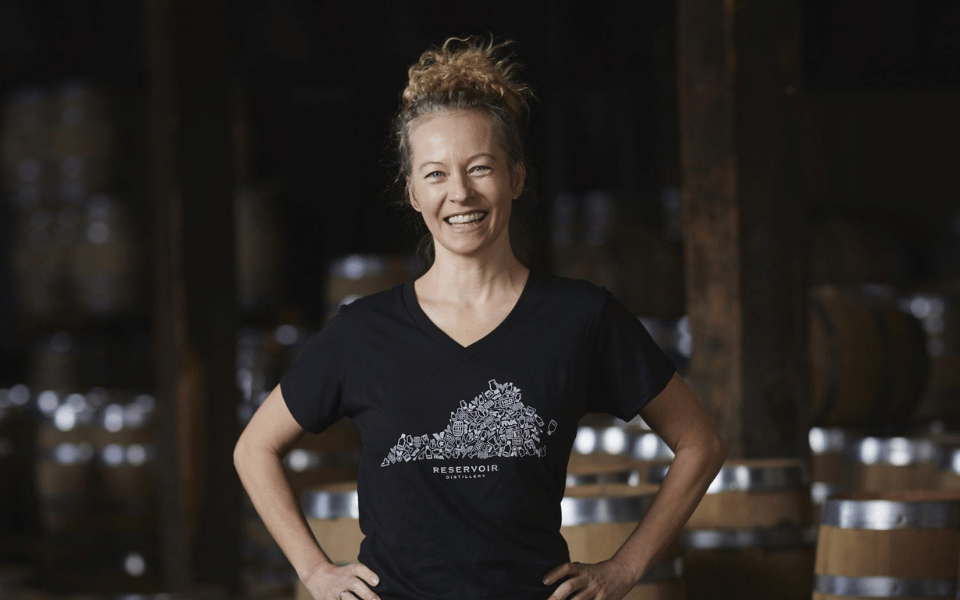
Shelley Sackier’s work with Reservoir Distillery and her leadership of the Virginia Heritage Grain Project connect Virginia’s agricultural heritage with its distilling future. By bringing attention to heritage grains and the opportunities they offer growers and distillers, she is helping make agriculture a central part of the story of Virginia spirits.
Explore Virginia, one distillery at a time, with the new Virginia Spirits App.